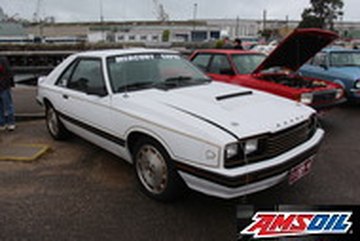
Lubrication Maintenance for the 1980 Mercury CAPRI 4.2L
Maintaining a vehicle from the early 1980s requires a proactive approach to fluid management and mechanical inspection. For owners of the 1980 Mercury CAPRI equipped with the 4.2L engine, consistent attention to lubrication systems is a fundamental aspect of long-term preservation. Because older engines may exhibit different sealing characteristics than modern counterparts, understanding how to monitor and respond to changes in lubricant condition is essential for effective ownership.
Monitoring Fluid Integrity and Potential Leaks
One of the most practical maintenance tasks involves regular visual inspections of the engine area to identify any signs of fluid loss. Over time, various gaskets and seals may undergo changes due to heat cycles and age. Rather than waiting for a significant event, owners should periodically inspect the engine block and surrounding components for evidence of seepage or active leakage.
When performing these checks, look for:
- Dampness or oily residue on the exterior of the engine surfaces.
- Accumulations of grime that may be trapping older fluid.
- Evidence of fluid dripping onto underbody components or the ground after the vehicle has been parked.
If any signs of seepage are discovered, it is important to investigate the source. While a small amount of surface dampness might be manageable, persistent leaks can lead to lower lubricant levels, which warrants immediate attention. Identifying these issues early allows for more controlled maintenance decisions rather than reacting to an urgent shortage.
Observing Changes in Lubricant Behavior
Beyond external inspections, monitoring how the engine operates and how it consumes its fluids provides valuable diagnostic information. While symptoms can have many different causes, certain changes should prompt a closer look at the vehicle's maintenance status.
An owner might notice changes in the appearance of the oil during a routine check, such as an unusual color or texture. Additionally, if the engine appears to be consuming more lubricant than usual between service intervals, this is a signal that the lubrication system should be investigated. Unusual mechanical noises or changes in how the engine sounds during startup or idling can also be associated with the state of the internal lubrication. It is important to remember that these observations are indicators that require further inspection rather than definitive proof of a specific component failure.
Prioritizing Long-Term Engine Care
Effective maintenance for an older vehicle often involves moving away from generic schedules and toward condition-based monitoring. For the 1980 Mercury CAPRI, this means using the current state of the vehicle to dictate service priorities. If you are stepping into ownership without a complete history of previous repairs, establishing a baseline is a logical first step.
To establish this baseline, begin by documenting all recent fluid changes, filter replacements, and any observed mechanical behaviors. Reviewing available maintenance records can help distinguish between routine preventive tasks and necessary repairs. If the vehicle has been sitting for extended periods, or if there are signs of inconsistent previous care, focusing on addressing active leaks or overdue service items should be the primary goal. This organized approach ensures that resources are directed toward the most impactful maintenance tasks first.
Inspecting Auxiliary Components
While engine oil is a primary concern, other components that interact with the engine's operation deserve regular attention. If equipped, accessible drive belts should be inspected for signs of wear such as cracking, glazing, or fraying. Similarly, if the vehicle is equipped with various hoses, checking them for softness, swelling, or brittleness can prevent unexpected issues in the cooling or vacuum systems.
Electrical connections and wiring harnesses that are accessible near the engine should also be checked for signs of corrosion or degradation. Maintaining clean and secure electrical paths helps ensure that sensors and other vital components function as intended, supporting the overall health of the 4.2L power plant.
The Role of Consistent Lubrication Management
Proper lubrication management is about more than just preventing friction; it is about managing the internal environment of the engine. Fresh lubricant helps to carry away heat and prevents the buildup of deposits that can occur as oil oxidizes over time. By adhering to a consistent maintenance routine, owners help ensure that the engine remains protected against the gradual accumulation of contaminants.
Regularly checking the level of the lubricant is one of the simplest yet most effective ways to monitor the health of the system. A consistent pattern of fluid levels can provide peace of mind, while unexpected fluctuations serve as an early warning system for potential maintenance needs. Integrating these checks into a routine—such as during refueling or weekly inspections—makes it easier to catch minor issues before they escalate.
Practical Guidance for BUYING ENGINE OIL for the 1980 Mercury CAPRI 4.2L
When it is time to replenish your engine's lubricant, the most important step is to ensure the product matches the specific requirements of your application. To select the correct oil, match the engine oil to the application-specific viscosity information already displayed on this webpage.
As you shop for products, consider the following practical tips:
- Always verify that the oil meets the appropriate API certification listed on the container to ensure modern quality standards are met.
- Review the product labeling carefully to confirm it aligns with the viscosity requirements provided in your vehicle's application data.
- Depending on the current condition of your engine, you may choose between conventional, synthetic blend, or full synthetic formulations; however, always prioritize the specific application information shown above over general marketing claims.
- If the vehicle has high mileage and shows signs of aging seals, some high-mileage oil formulations contain additives intended for use in aging engines, including seal-conditioning additives.